

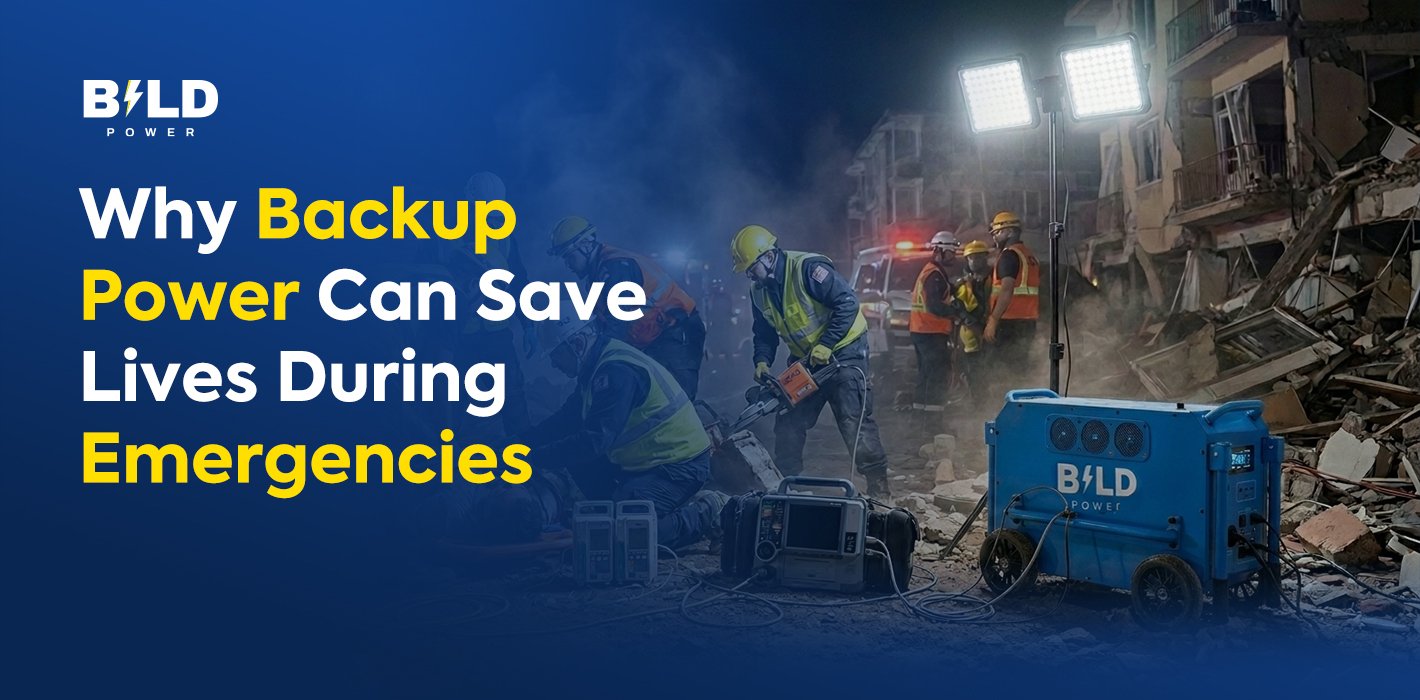
Home backup power can save lives during emergencies by keeping critical medical equipment running. It also preserves temperature-sensitive medications and maintains communication with emergency services.
People who depend on CPAP machines, oxygen concentrators, or refrigerated insulin can also face serious health risks within hours of losing electricity. A reliable backup power system is a must for ensuring that these life-sustaining devices continue working when the grid goes down.
Power outages are more frequent and often last longer as aging electrical grids struggle to meet demand. Extreme weather events are also causing widespread disruptions. In some states, hurricanes can leave homes without electricity for weeks. Modern homes require electricity for far more appliances than they did in the past.
Medical devices, communication systems, and food storage are all dependent on uninterrupted power. The shift to remote work and online learning has also increased dependence on electricity, as families need 24/7 internet access, charged devices, and reliable communication to stay informed during emergencies.
Refrigerators become critical as soon as power goes out because food and medications begin to deteriorate quickly. Insulin and other temperature-sensitive medications can lose effectiveness if not properly stored.
Medical equipment also remains one of the top priorities in emergencies. Devices like CPAP machines, oxygen concentrators, feeding pumps, and motorized wheelchairs require a steady electricity supply for proper and safe operation.
Communication devices are just as important. Smartphones provide access to emergency services, weather alerts, and updates from friends and loved ones. It is important to keep them charged, as doing so helps reduce stress and ensures you can respond quickly if conditions change.
Portable power stations prove to be a quiet and clean solution for backup electricity. They are also safe to use indoors, and the battery systems can be easily charged from wall outlets or solar panels. Handheld devices, including smartphones, can also be charged through standard outlets and USB ports. The BILD Power’s OffGrid Pro, with 9,792Wh of capacity, is capable of running essential appliances for extended periods and supports a solar recharging option.
Gas generators produce higher power output and can run as long as fuel is available. However, their operation must be strictly confined to outdoor use due to carbon monoxide risks, and they also require regular maintenance. Solar generator systems convert sunlight into electricity and can work alongside battery storage as a smart renewable energy source. Still, the solar output depends on weather conditions.
Portable power stations are a reliable choice because they have few or no moving parts and require minimal maintenance. Once charged, they remain ready to use for long periods. When an outage occurs, you can plug in your devices immediately without dealing with fuel or startup delays. This ease of use is especially helpful during emergencies.
Modern battery technology allows these systems to hold their charge for months. Unlike gas generators, there’s no concern about fuel going bad or engines failing to start. Pure sine wave output protects sensitive electronics and medical devices while they are in operation, delivering power similar to what you get from a standard wall outlet.
Backup power reduces uncertainty during outages by keeping essential systems running. Families can focus on staying safe instead of worrying about losing access to critical devices or supplies. It also allows many households to stay at home instead of relocating to crowded shelters. This is especially important for people with medical needs or mobility challenges.
In some cases, homes with backup power can support neighbors by offering phone charging or temporary storage for medications. This can make a big difference during outages where large neighborhoods are affected. Backup power also cuts financial losses by preventing food spoilage and avoiding emergency relocation costs when extended outages happen.