

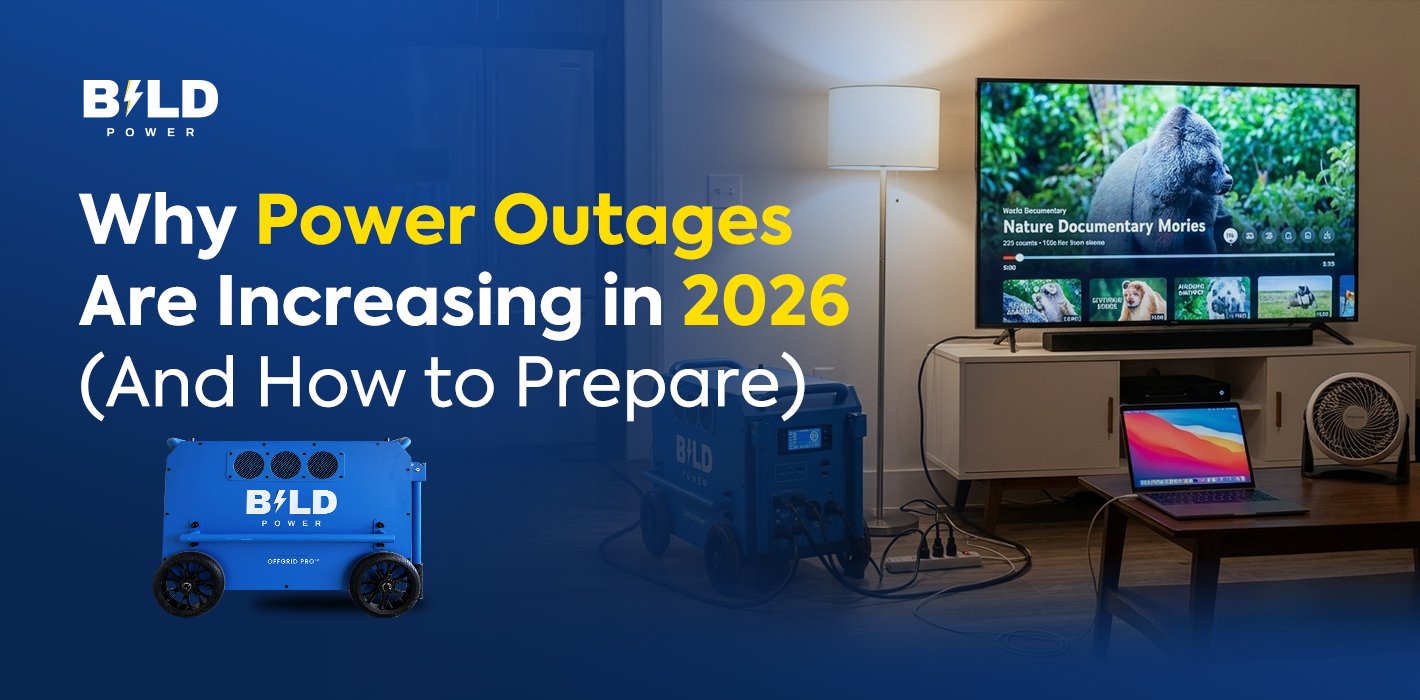
Power outages are increasing as aging electrical infrastructure struggles to handle extreme weather events and rising electricity demand. Severe storms, heat waves, and wildfires are placing more strain on the grid than it was designed to handle. Much of the system was built decades ago, and upgrades haven’t kept up with current needs.
Extreme weather is the leading cause behind outages, as hurricanes, ice storms, and heat waves can overwhelm electrical systems. High winds knock down power lines, and snowfall adds ice weight that damages power equipment. Aging equipment also plays a major role in the deterioration of power infrastructure, as much of the U.S. power grid is decades old, and components wear out over time.
Utility workers do eventually replace outdated systems, but failures still occur as equipment reaches the end of its lifespan. Wildfires are another growing factor, which is why in high-risk areas, utilities sometimes shut off power to prevent fires during dangerous conditions.
While these shutdowns improve safety, they can leave communities without electricity for extended periods. Cyber and physical security threats are also increasing, causing power systems to face greater risks from hacking attempts and vandalism. It also adds another layer of vulnerability.
Many outages last a few hours and are caused by localized issues like fallen tree branches or equipment faults. In these cases, utility crews restore power relatively quickly. However, major storms can cause outages that last days or even weeks. Widespread damage takes more time for utility services to assess the damage and repair it accordingly.
Power restoration times also vary greatly by location and by how difficult it is for repair teams to reach the fault site. Damaged power infrastructure in urban areas gets repaired more quickly due to the availability of resources, while rural areas may experience longer delays. Outage duration is mostly unpredictable; it’s important to be prepared for both short-term and extended disruptions.
Portable power stations are one of the safest and most convenient options for most homes. They operate without fumes, can be used indoors, and provide instant power when an outage occurs. A high-capacity unit like the BILD Power OffGrid Pro (9,792Wh) can easily run important home appliances for extended periods and recharge using solar panels. These power stations are also easy to use without the need for high-cost professional installation.
Solar panels paired with battery systems also offer a renewable backup solution. Unlike fuel-based options, they don’t depend on gas availability, which can be limited during emergencies. Gas generators provide higher output but must be used outdoors due to carbon monoxide risks. They also require fuel storage, regular maintenance, and can be noisy during operation.
Extreme weather often causes the initial damage, but other factors can make outages worse. When multiple regions are affected at once, utility crews and equipment are stretched thin, which slows restoration. In other words, supply chain delays can further extend outages. Critical components like transformers are not always readily available and may take time to manufacture and deliver.
Utilities shut off power proactively to prevent larger disasters in many cases, such as wildfires, tornadoes, or other natural disasters. While this improves safety, it still results in temporary outages for many households.
Current trends suggest outages will become more frequent. Extreme weather events are expected to continue, placing an ongoing strain on electrical systems. At the same time, upgrading the grid takes significant time and investment. While improvements are underway, much of the existing infrastructure will remain in use for years.
Electricity demand is also rising as more households rely on connected devices, remote work, and electric vehicles. This added demand increases pressure on an already strained system. Because of these factors, preparation is becoming essential. While you can’t control the grid, you can take steps to keep your home powered and your family safe during outages. BILD Power helps families stay prepared with reliable backup power solutions.