

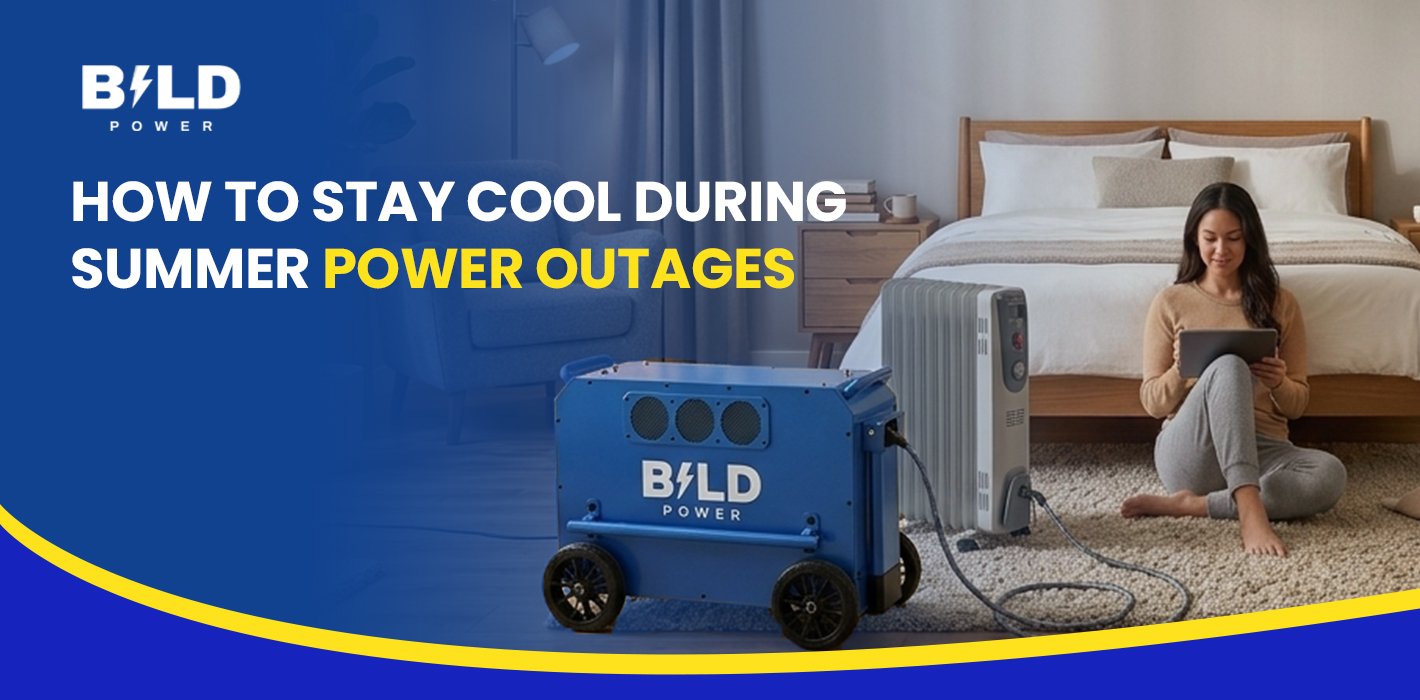
When it comes to keeping cool during summer power outages, it isn’t only about being smart with your personal habits but also about having a very reliable backup power setup. You can reduce indoor heat by blocking sunlight, improving air circulation, keeping your body hydrated, and limiting the use of heat-producing appliances.
A portable power station is a smart choice to keep fans and small air conditioners running safely indoors, giving your household real protection during the hottest and most dangerous summer blackouts.
Heatwaves and power outages have always fed each other in a frustrating cycle. Extreme summer heat pushes millions of households to run air conditioning simultaneously, and this sudden demand spike overwhelms electrical grids that weren’t designed for such heavy loads. Transformers overheat, circuit trips, and widespread blackouts follow right when everyone needs cooling the most.
Older grid infrastructure handles this strain poorly because much of America’s power system was built decades before climate change made summers this extreme. Utility companies try to manage demand by rotating outages, but some areas still face hours or days without electricity during major heat events.
Your indoor temperature tells you more about safety risk than outdoor readings because heat builds inside enclosed spaces faster than most people realize. A room at 85°F feels uncomfortable but manageable for healthy adults, while temperatures above 95°F create genuine danger for older adults, infants, and anyone with heart or respiratory conditions.
It is common to notice warning signs before dangerous heat sets in. Rooms feel stuffy even with windows open, pets seek out the coolest floor spots, and metal surfaces like doorknobs feel warm to the touch.
Several strategies help reduce indoor heat without needing electricity, and they make a real difference during summer outages.
Appliances like ovens, clothes dryers, and even desktop computers generate heat that raises indoor temperatures noticeably. Skipping cooked meals in favor of no-heat foods during outages keeps your kitchen from turning into an oven. Your refrigerator generates some heat too, so opening it quickly and closing it immediately reduces both heat output and food spoilage.
Good insulation and window coverings do a remarkable job of keeping outdoor heat outside during summer. Closing blinds, curtains, or blackout shades on south and west-facing windows before temperatures peak blocks a significant amount of solar heat gain. Homes with proper attic insulation remain cooler during outages than poorly insulated ones, and this difference matters most during extended blackouts.
Cross-ventilation cools your home naturally when outdoor temperatures drop below indoor levels, typically in the evening and early morning. Opening windows on opposite sides of your home creates airflow that moves heat out without any electricity. Battery-powered fans circulate air during the day and cost very little power, making them an easy addition to any backup power plan.
A portable power station keeps fans and smaller air conditioning units running during outages, and this backup changes everything during extreme heat. The OffGrid Pro with 9,792Wh of capacity runs a window AC unit for several hours while simultaneously powering fans, lights, and phone chargers. Solar panels keep it recharged during daylight, giving you continuous cooling capability through multi-day summer outages.
Your body cools itself through sweating, and this process only works well when you stay properly hydrated. Adults need more water than usual during heat events, and seniors often don’t feel thirst as strongly as younger people do. Keeping cold water accessible and encouraging everyone to drink regularly reduces heat stress significantly, even without air conditioning.
Knowing exactly how much power your cooling equipment uses helps you choose the right backup system and avoid running out of capacity unexpectedly. A standard box fan draws about 100 watts, while a window AC unit pulls between 500 and 1,500 watts depending on size. Adding these numbers up gives you a realistic picture of how long your backup power will last.
Surge wattage matters for air conditioners because compressors need extra power during startup. A unit running on 800 watts might demand 2,400 watts for a second when it first turns on. Your power station’s surge rating needs to handle this spike comfortably, or the unit will trip the safety protection and shut down right when you need it.
Summer outages have become more frequent and less predictable, which makes reactive preparation less effective than having a solid plan already in place. Families who plan ahead know exactly which appliances they’ll prioritize, how long their backup power will last, and when they need to reduce loads to extend battery life. This clarity removes panic from the equation during already stressful situations.
Power planning also prevents the common mistake of buying a backup system too small for actual needs. A family that runs a window AC, two fans, a refrigerator, and phone chargers simultaneously needs far more capacity than one that only charges devices and runs lights.
Gas generators also produce power but bring serious problems that make them poor choices for summers during outages. Carbon monoxide forces them outdoors, which means running extension cords through windows and losing much of the cooling effect. Noise makes it hard to sleep during overnight outages, and fuel availability becomes unreliable after widespread weather events.
Portable power stations eliminate every one of these problems. You run them inside your bedroom or living room without any fumes, and they operate in complete silence while your family sleeps.
BILD Power builds systems that handle real summer cooling demands without compromise. The OffGrid Pro delivers 9,792Wh of capacity, 7,200W output, and accepts up to 3,700W of solar input, making it one of the most capable options available for families who need reliable cooling power through the longest and hottest summer outages.